Hano journal
Notes from Hano’s First Customer
A personal account of how Charlie helped me make confident decisions for my home, and why we founded Hano.
01
I knew what I liked. I didn’t know where to start.
I could tell you whether I liked a room. Ask me to pick a sofa for my own, and I was much less sure.
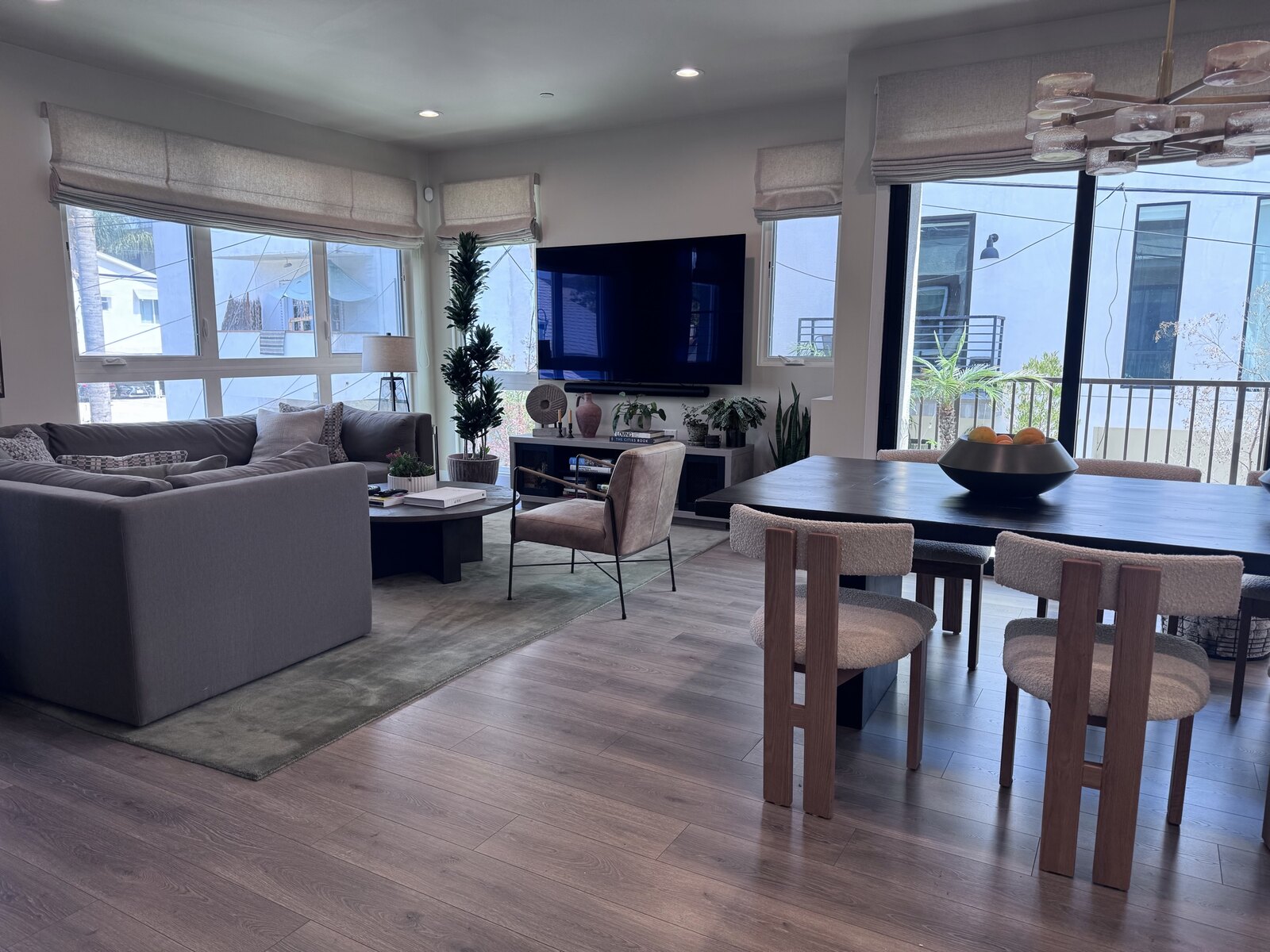
After I bought my house, I’d look at rooms on Instagram, Pinterest or Google and know what appealed to me. Choosing one piece was harder. Could I picture it in my place? What else would I need around it? What should I choose first?
Hiring a designer for the whole house wasn’t in my budget. I also wasn’t sure my project was big enough for one. I needed help with individual decisions over time.
Online design services gave me pause, too. I wasn’t even sure how to define the project, let alone what it required. I knew I’d want to see options, sit with them and come back with more questions. That sounded like a considerable time commitment, and I could already imagine feeling embarrassed about returning with yet another change. I needed help figuring out the project as much as I needed help choosing the furniture.
The business side of my brain also started wondering how these services made money. From what I could tell, many were connected to larger furniture companies or seemed to make much of their money through affiliate commissions. I couldn’t tell how independent their recommendations really were. If a service earned money when I bought certain products, could I trust that it was helping me find the right pieces for my home rather than the most profitable ones to recommend?
I knew the big retailers, but I didn’t want my house to look like one store’s showroom. I wanted more variety. I just didn’t know where else to look.
Even after I bought something, I wasn’t sure what came next. How should I arrange the room? Which objects belonged beside one another on a shelf? I knew when a finished room felt intentional, but I didn’t know how to create that feeling myself.
02
More options, more second-guessing.
I tried AI design and inspiration tools. The images could get close, but details about furniture I owned and planned to keep would disappear from one room to the next. I kept explaining my house again.
ChatGPT was a useful sounding board, but often too agreeable. If I suggested an alternative, it would tell me it liked that better. Was it actually better? I couldn’t tell. It also kept sending me back to the same big stores. It felt less like design judgment and more like a list of the retailers that had won at SEO. In a field I know well, like tech, I can judge the advice and push back. With design, I didn’t have that confidence.
I’d second-guess a recommendation and ask for more options, which gave me more things to second-guess. I had successfully turned shopping for one thing into a choice-paralysis spiral. When it came time to spend real money, I’d end up buying nothing.
03
What changed with Charlie’s judgment.
Charlie, my best friend and now my co-founder, is the person our friends text before buying furniture. I started doing the same.
Sometimes he’d show me several options. Other times I’d send him something I’d found. If he didn’t like it, he’d explain why and suggest alternatives. I could understand what wasn’t working without feeling like I was back at square one.
I trusted his eye, so I was willing to consider things I wouldn’t normally have chosen. Talking through how a piece would fit with everything else gave me the confidence to buy it.
He introduced me to stores and showrooms I didn’t know existed. We found someone locally who builds high-quality wood furniture for less than comparable pieces at many stores. Having something made for my taste and space was an option I hadn’t known how to explore.
Over time, I learned more about what went together and what to look out for. Buying something felt less like guessing. Charlie still got plenty of texts, though. Having a better eye apparently didn’t mean I was finished asking for his opinion.
Visitors compliment the house now. I never expected to be that person. I’m proud of the place. It feels like my taste, even though I wouldn’t have made every choice alone.
04
Why this became Hano.
That experience is a big part of why Charlie and I founded Hano, and why I think of myself as its first customer. We’re building Hano to bring a designer’s judgment into furniture and decor decisions: real options, an honest opinion and an explanation of what works in your home and why.
There’s still plenty on my list: replacing my entertainment console, finding art and decor for my office and around the house, furnishing my balcony, and adding more layers and depth to my bedroom. I’m still learning what that last part actually means. Those are decisions I’m planning to make with Hano.
I want to build something I use and trust. That means useful options, an honest opinion and a clear explanation of why something works or doesn’t. As we’ve been building Hano, I’ve increasingly turned to it for that honest second opinion instead of sending Charlie another text. When I do check with him, he agrees with the recommendation and says the explanation sounds like him. That feels like the right bar.