Hano journal
You have a personal style. There’s more to it than a tag.
Find your interior design style by describing what you love: the construction, materiality and forms that draw you to a piece beyond its style label.
You can love a chair without knowing what style it belongs to. The grain of its wood or the joints where its parts meet might catch your attention. If you’re trying to figure out your interior design style, those preferences are a useful place to begin.
Coastal, farmhouse chic, boho. These tags can reduce design to a shopping formula: rattan for coastal, distressed wood for farmhouse, macramé for boho. The limitation is treating those details as proof that a piece belongs to your style. Understanding your taste means looking closer: how something is made, the intention behind its materiality and what its shape makes you feel.
A label can help you find a piece. Understanding why you love it gives you something to work with.
What the label leaves out
Three people might love the same wooden chair for different reasons. One appreciates its connection to traditional craftsmanship. Another likes how clearly its construction is expressed. The third barely notices the joinery but loves its shape.
They might choose the same style label on a questionnaire. Their reasons could lead them toward very different rooms.
“Rattan” names a material. “I love the texture of the weave” describes what draws you to it. That preference can lead you toward other materials and pieces, beyond anything tagged “coastal.”
Construction, materiality and form offer a few ways to make those distinctions.
01 Construction: what do you value in the making?
Next time you’re at a favorite restaurant or coffee shop, look closely at a wooden chair or table you’re drawn to. Notice where the parts meet. If the joinery catches your eye, consider why.
Is it the connection to traditional craftsmanship? The precision of closely fitted parts? Or the honesty of being able to see how the piece holds together?
A butterfly joint offers another possibility. Its bow-tie shape can become a deliberate visual feature, especially when the wood contrasts with the surrounding surface. A detail with a structural purpose can also be decoration. You might be drawn to that artistry: construction made worth looking at.
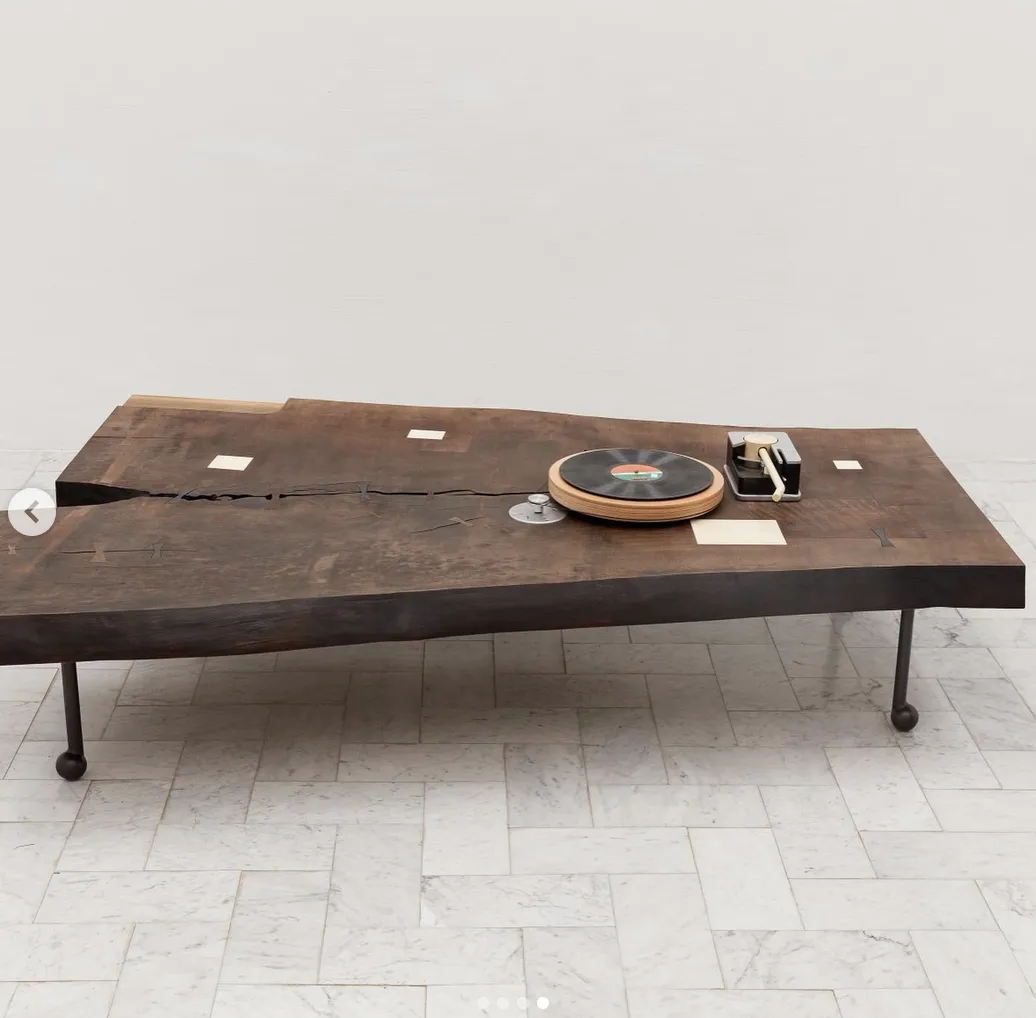
Even within joinery, an appreciation for tradition is different from an appreciation for visible structure or decorative invention.
02 Materiality: what does the surface express?
Materiality includes the way a material is finished, presented and experienced. The name of the material is only a starting point.
Nubby linen has an uneven weave you can notice with your fingers as well as your eyes. That organic, tactile quality may be what attracts you. Leathered stone’s textured, low-sheen surface might feel grounded.
Polished stone can feel extravagant, but it can also feel precise and utilitarian, like a stainless-steel worktop. The same finish can serve different intentions depending on how it is used.
Walnut with deep brown color and sweeping grain supplies its own decoration. Pale, straight-grained ash offers a quieter pattern, leaving more attention for the shape of the piece. You may prefer the expressiveness of one or the restraint of the other—or appreciate each in a different setting.
Patinated brass or leather worn smooth at the arms offers another attraction: a surface that carries a history of use.
You don’t need certainty about a designer’s intention to explore these qualities. Start with what you can observe and what it means to you.
03 Form: what does the shape make you feel?
A chair back that wraps around you might feel sheltering. That sense of embrace can draw you to both traditional seating and a mid-century chair. Describing the form reveals a connection the separate labels can obscure.
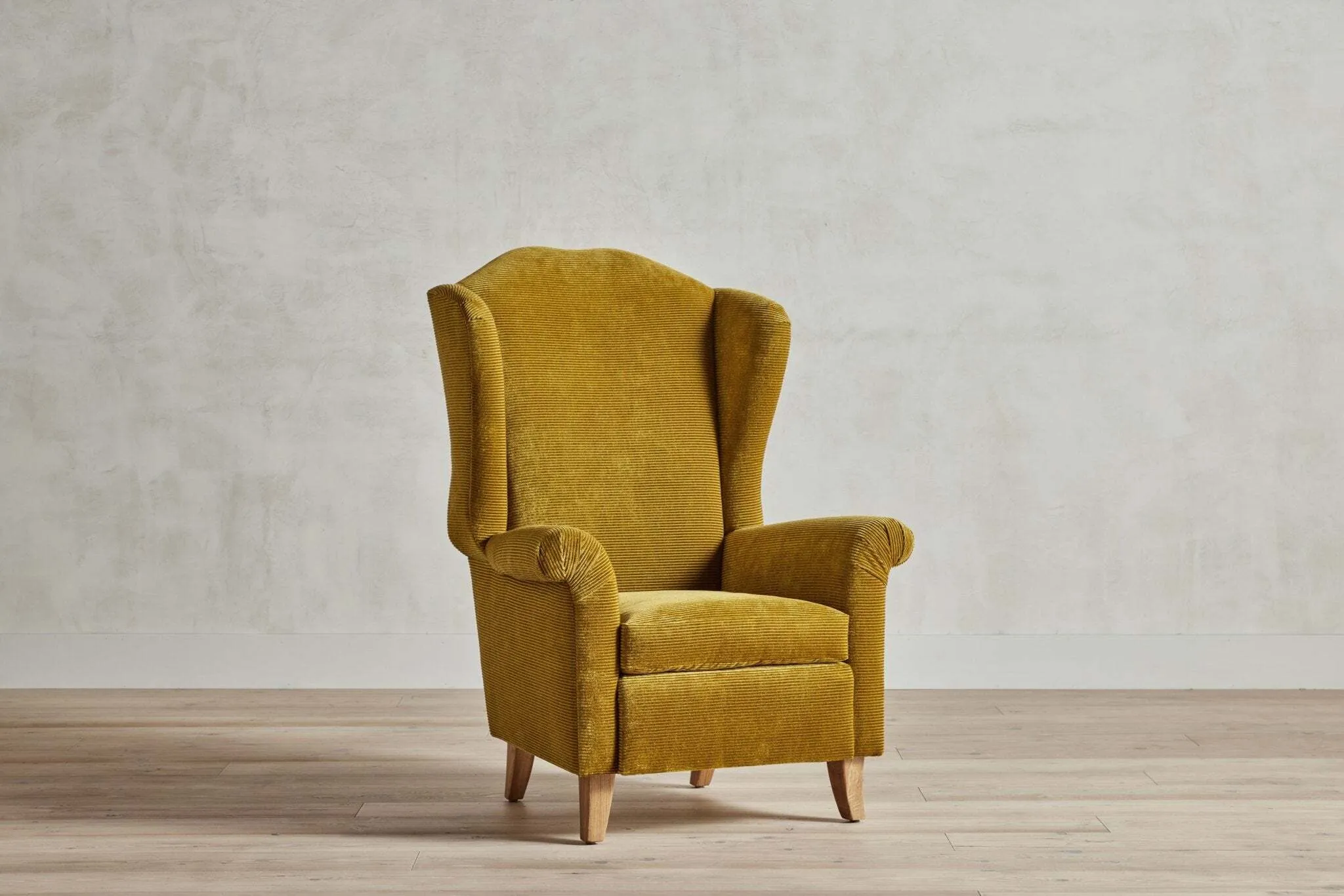 Nickey Kehoe
 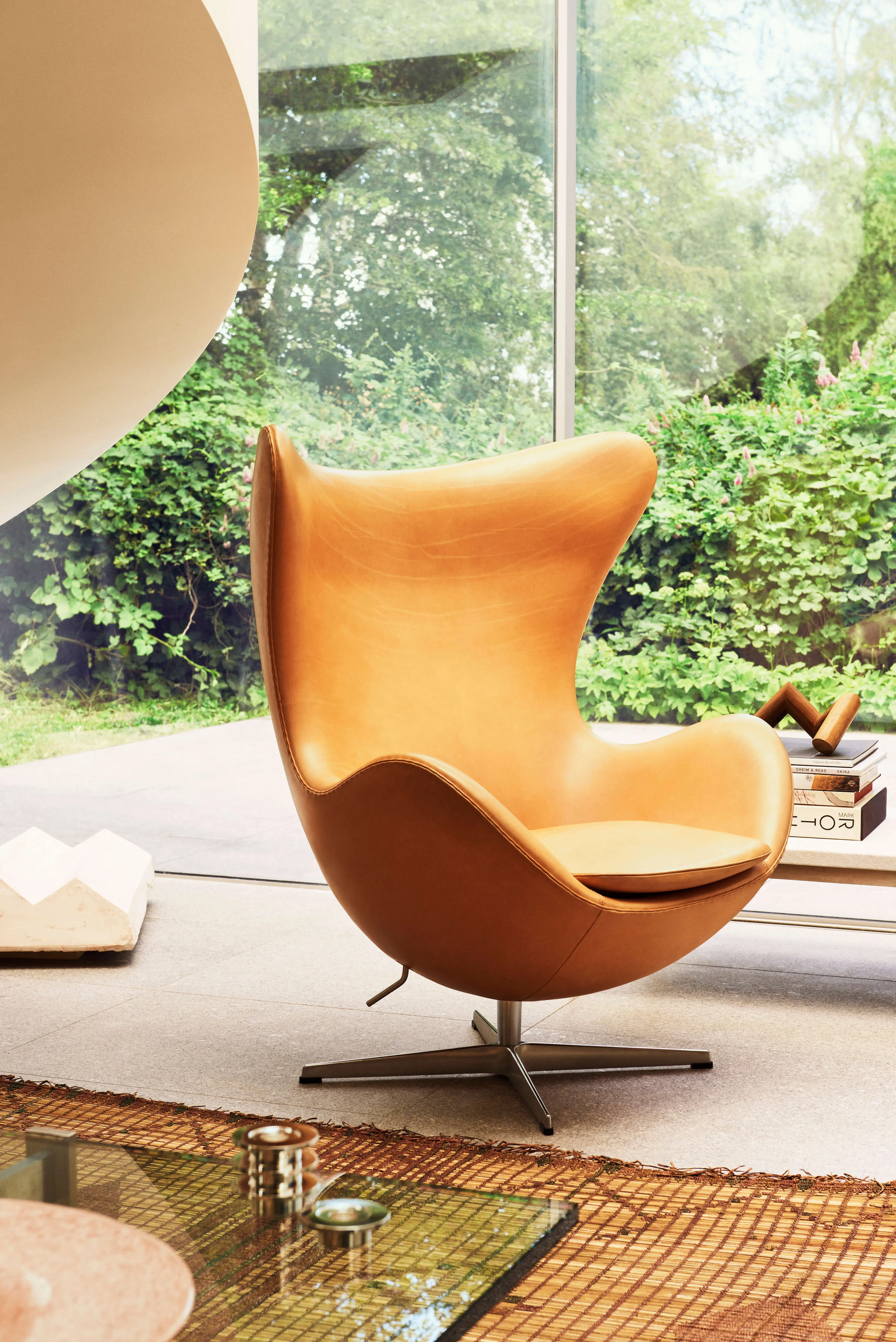 Fritz Hansen
 An asymmetric tabletop with soft curves offers another example. You might appreciate its fluidity even when its edges are precisely machined. An organic shape and an engineered process can coexist in the same piece.
A table base carved into an abstract sculpture brings artistic expression into a functional object. A table built from straight boards and square legs offers uncomplicated geometry. You might value the expressive shaping of one or the directness of the other. Neither preference has to stay within a single style category.
From a label to a sentence
Choose two or three pieces you love—at home, in places you visit or in pictures you’ve kept. For each, write down a specific detail and what draws you to it:
- “I like seeing how the parts fit together.”
- “I’m drawn to surfaces with texture and signs of use.”
- “I like chairs that curve around me.”
Look for recurring qualities. Then put them into a sentence:
“I like visible construction, materials that carry signs of use and shapes that feel embracing.”
This isn’t a rule every object must satisfy. It’s a description you can refine as you notice more. It helps explain why you love one piece and feel indifferent to another, even when both carry the same tag.
When you can describe what you love this way, you have more to guide your own space—and a point of view worth sharing. That’s how you start talking about design like a designer.
Describe it. Don’t label it.